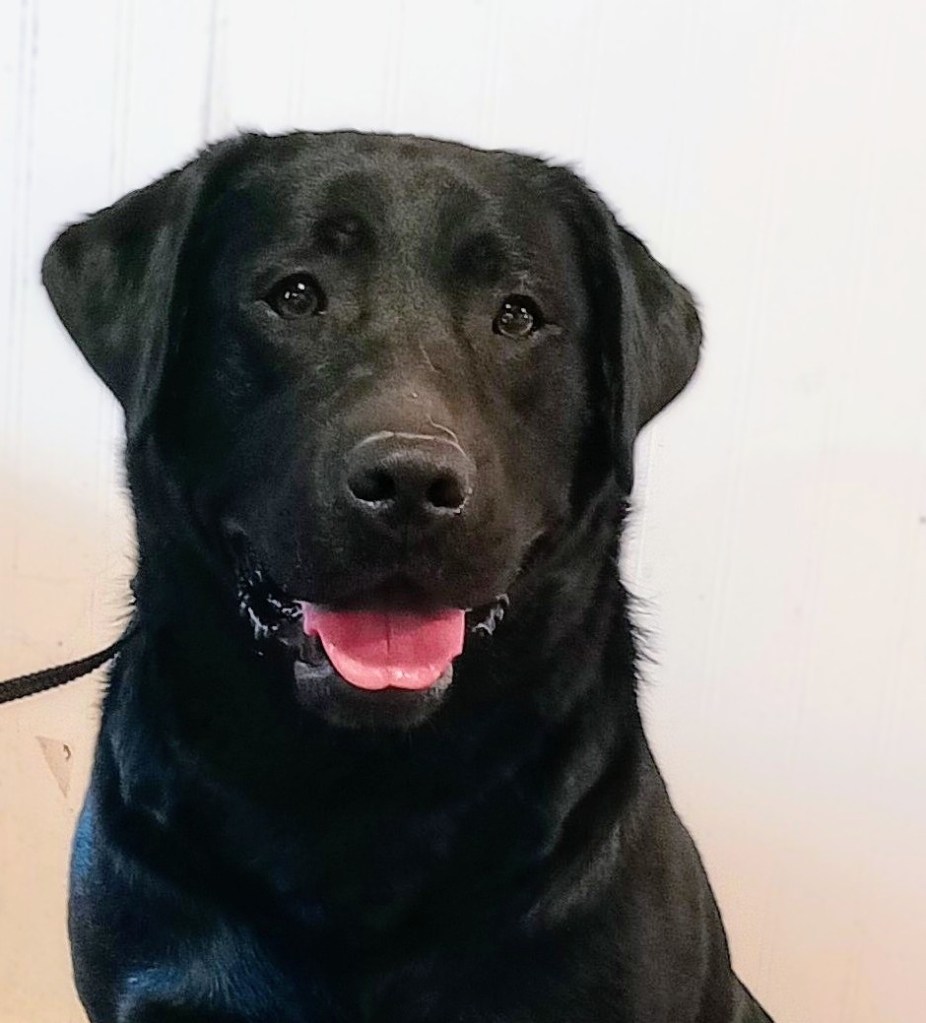
Nellie, a Labrador Retriever (love them! as Service Dog candidates!) has been with us for our Custom Training and will be partnered with her owner soon.
Here are some videos we took during a Public Access training day.
Shopping
If the Service Dog is not capable of self-restraint based on standards that the handler has taught her, doing something as simple as shopping can be exhausting for a person. It’s not the handler’s job to control the dog. It’s the dogs job to be self-controlled because it has been properly trained and understands the handler’s expectations for high-standard obedience. Only then will the dog truly adhere to ADA regulations for public access.
Drop the leash while walking
This exercise shows that Nellie will remain walking beside her handler even if he inadvertently drops the leash.
Negotiating Challenging Stairs
Not all stairs are the same. Some (including bleachers at a sport’s stand) are open and, from the dog’s eye level, can cause a dog to be a bit unnerved when first learning to ascend them. The stairs to the upper level of the lumber section at our local Menard’s are not only open, but have a perforated surface to reduce slipping. I love how Nellie matches Robert’s pace as he descends the stairs. It shows her capacity and desire to “read” him even when negotiating a difficult situation.
Stop in Stand Position
While is it traditional in dog training to require a dog to sit when the handler comes to a halt, not all Service Dog handlers require or want the dog to do a sit upon stopping. Dogs that will provide mobility support are often expected to stop in a standing position. Mobility support dogs should also be able to walk at a slow pace and change directions promptly when the handler turns.
Trust
Service Dog handlers need to learn to trust their dogs, and the dogs need to learn to trust their handlers. Putting a dog into a potentially frightening position and helping her learn that you are going to support and prevent her from harm, is one method of building trust.
Negotiating Tight Spaces
When in public places, Service Dog usually must accompany their handlers wherever the handler goes, including tight spaces (like a rest room.) Sometimes we have to be creative to find similar training situations!
Mobility Support
Handlers who have a mobility disability are more likely to, on occasion, require a wheelchair or scooter. We introduced Nellie to working next to a wheelchair and taught her to change pace to a slow speed, as well.
Distraction Training
It’s not easy being a retriever and being tempted by so many wonderful things to fetch!
 COMMITTED CANINE
Leave a comment