Here you will find a few, high level tips to aid in the selection of your future Service Dog.
There are hundreds of breeds of dogs. Many of them they are quite different from each other. That is remarkable and it can be advantageous. It can also feel overwhelming. Here are some basic strategies that should help you determine which breed may be the best suited for your needs.
1. Select a breed that has been designed to work in partnership with humans.
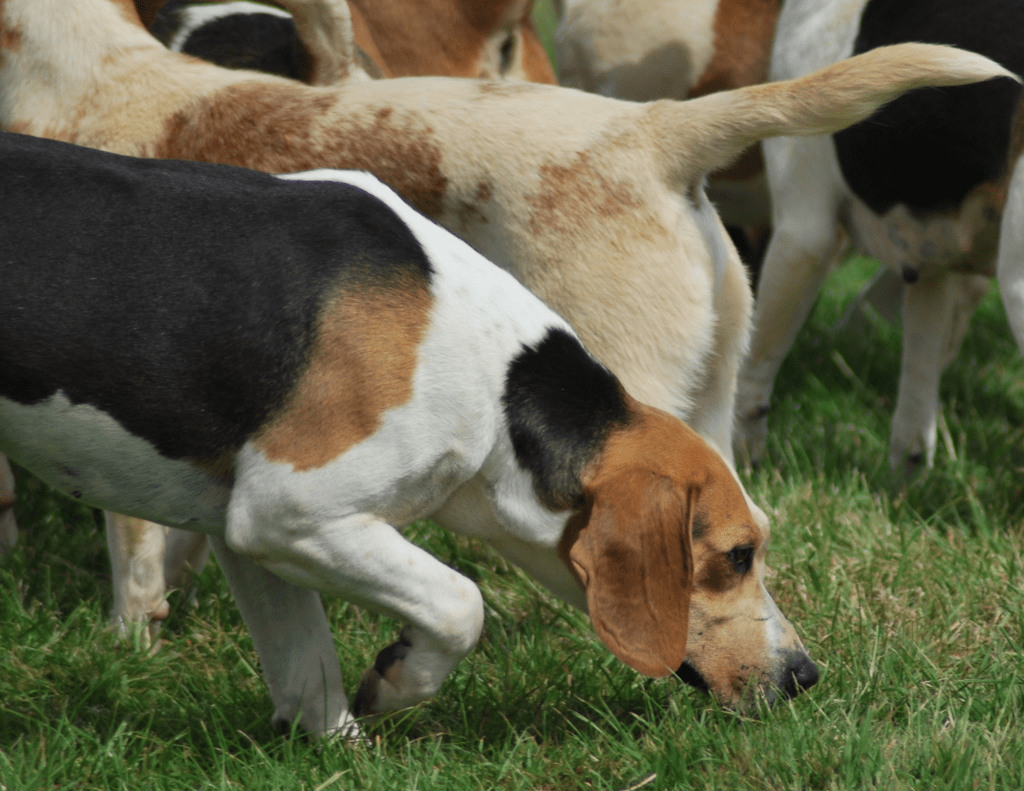
A hound is great at trailing rabbits. But, he does that work to satisfy himself. If his owner wants the rabbit, she needs to keep up with her hound. The dog doesn’t turn back and ask, “Ma’am, I smell a rabbit. Shall I follow the trail for you?” He just follows because it’s what he was designed to do. Basically, a hound hasn’t been genetically selected to partner with humans at a level significantly higher than his desire to hunt. Still, hounds are usually gentle with kids, calm when indoors, and can be exceptional pets. The fact that they were originally designed to hunt in a pack, means that they are usually friendly with other dogs. However, because they were designed to find and stay on a trail as their primary job, scent hounds usually do not make the best Service Dog candidates.
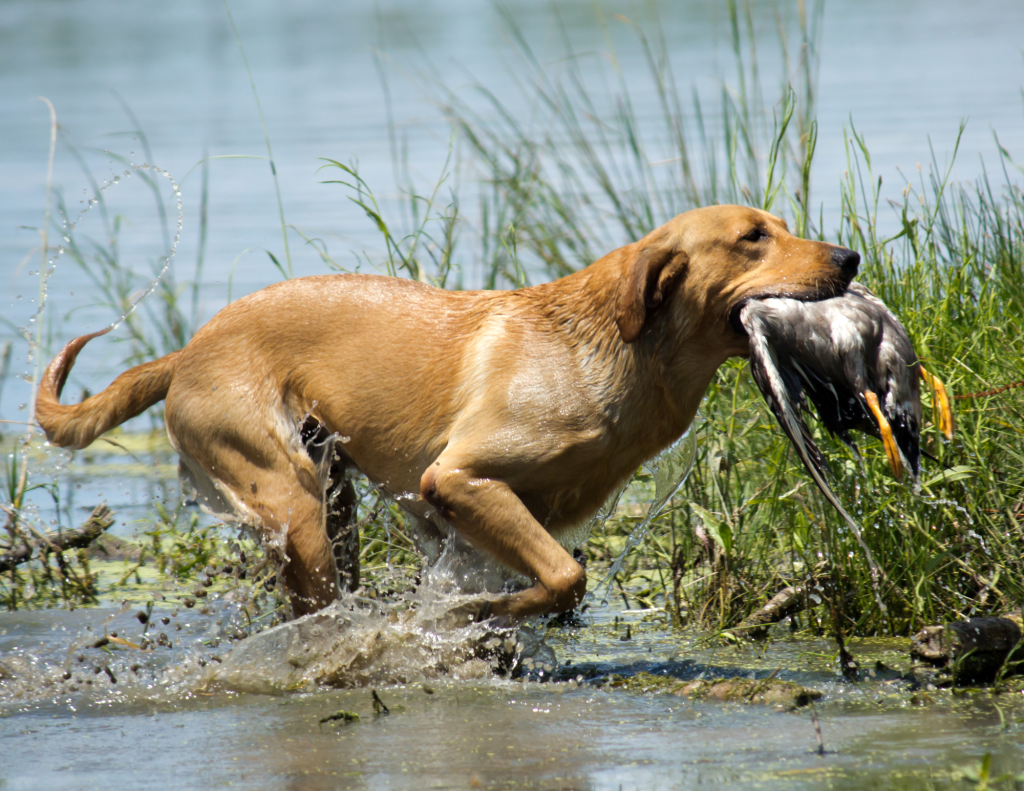
A retriever also works to hunt down its quarry, but it has a very different mindset. A retriever may sit in a duck blind for hours, demonstrating exceptional self-restraint, and then fetch up the bird when his owner commands. He doesn’t steal the bird and slip away to the hedgerow with his prize, but delivers it to his owner, regardless of how hungry he might be. Retrievers enjoy working for a benevolent leader who calls the shots. Retrievers tend to be exceptional Service Dog candidates because they were bred to work for a person. They ache to retrieve and they can’t retrieve to “nobody.” They need their human to fulfill their destiny of partnership.
The Beagle versus the Labrador Retriever are just two contrasting canine points of view. They are presented as examples to help you start your evaluation of whether a specific dog will best serve you. If you do just a bit of research about a dog’s original intended purpose – the reason they were developed and how they integrated into a human’s life – you can better understand the dog’s perspective. Service Dog & Handler are like a marriage. Having similar life values will help forge and maintain an exceptional partnership. When you and the dog are not motivated towards the same goal in your relationship, you will likely struggle. Take this step very seriously when contemplating the selection of your prospective Service Dog.
2. Consider the dog’s physical size and strength versus the tasks you expect it to perform.
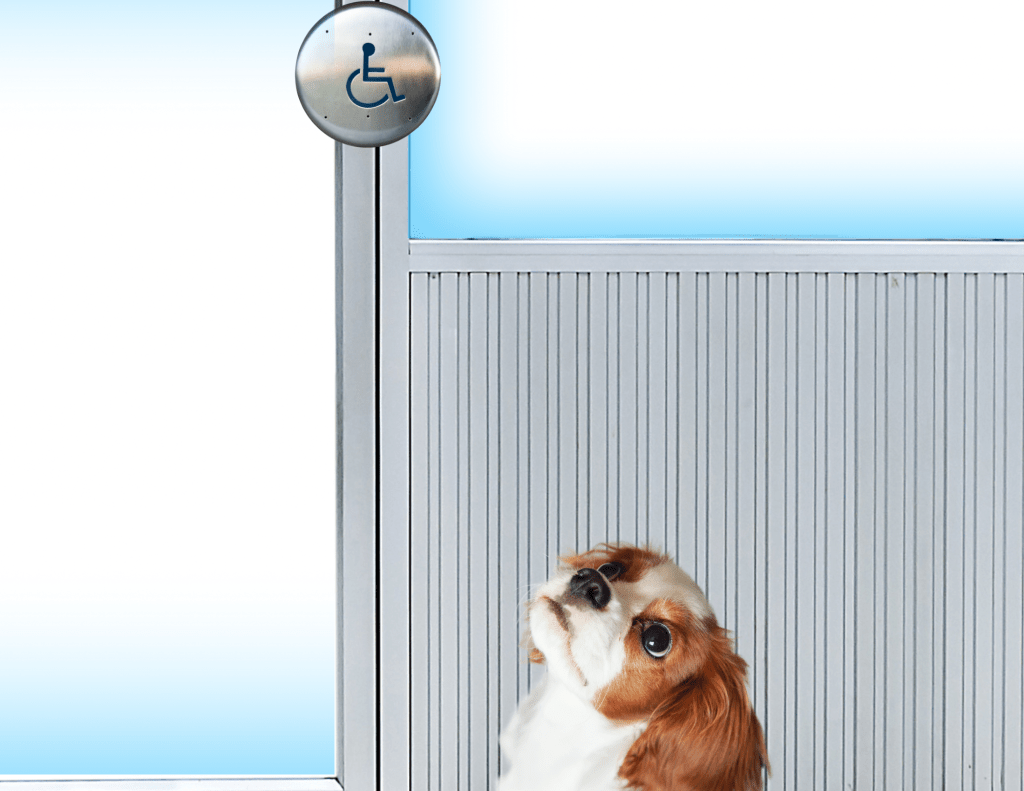
A charming, but small King Charles Spaniel simply isn’t big enough to jump up and press an Open-Door button. If you hope that your future Service Dog will perform specific, physical work, make certain that the dog you select will be able to accomplish the tasks.
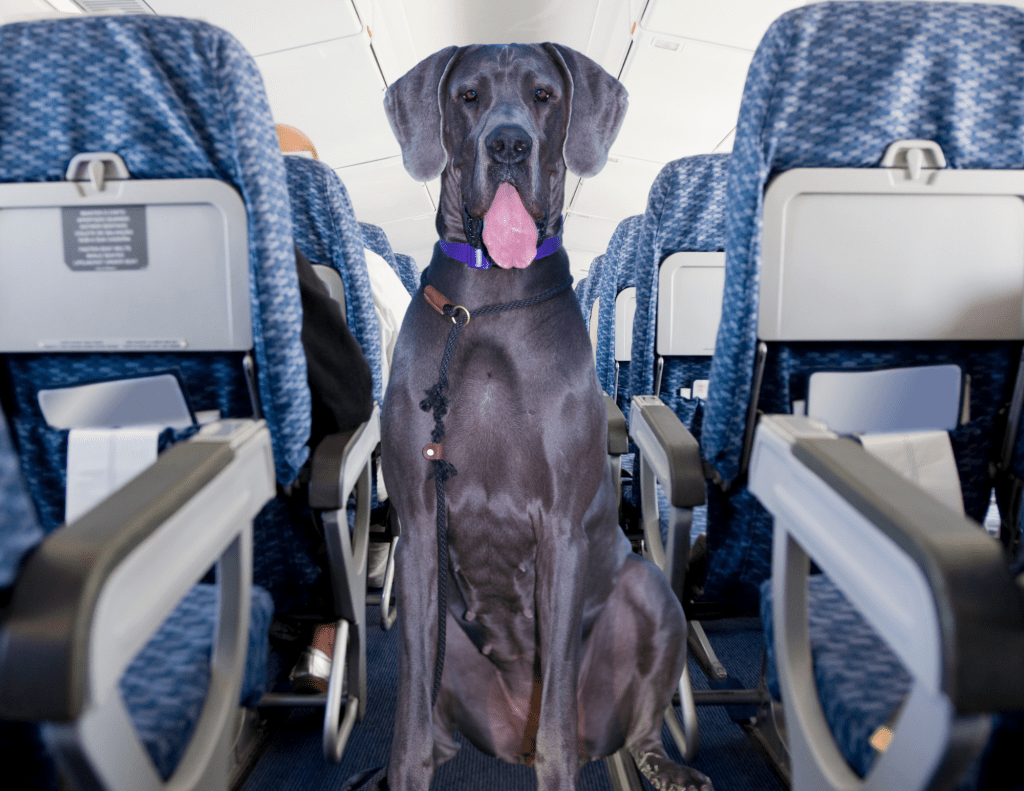
An exceedingly large Great Dane simply won’t fit in tight spaces, so if you need to take your dog in the isles of a theater or a small school desk, it may be challenging or impossible. If you hope to travel by airplane, a large dog will not meet aviation safety criteria to travel with you in the cabin. Regardless of it’s “right” to remain with you, for safety reasons, the airlines will require that the dog is shipped as cargo.
3. Consider the basic disposition of the breed versus it’s ability to mitigate your disability.
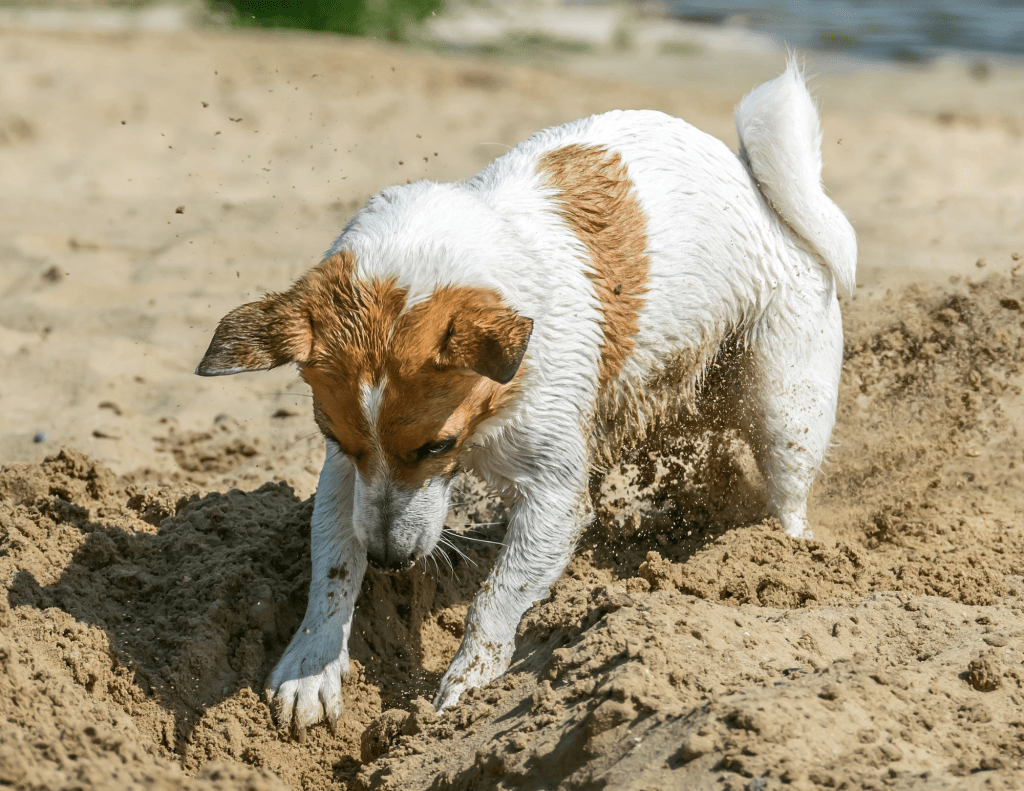
A terrier is designed to detect and seize small vermin. That is an activity which can include digging a hole to find its quarry. If overstimulating environments exacerbate your anxiety, a terrier is likely to display heightened vivacity rather than ground you with calming energy.
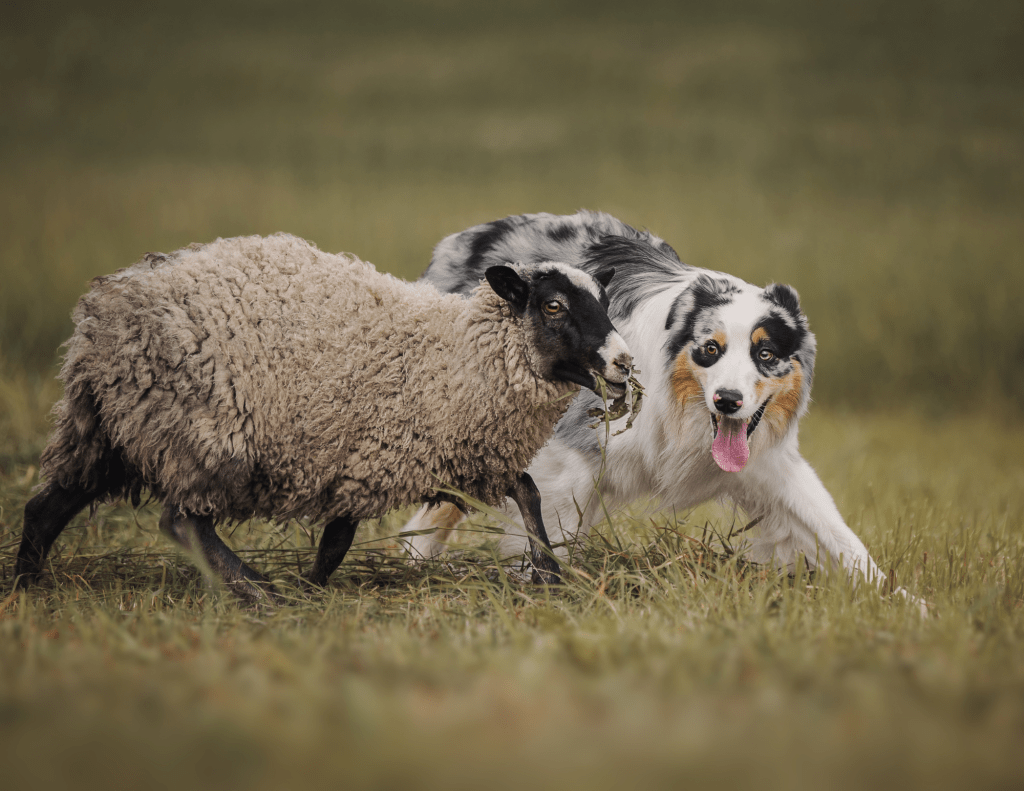
A herding breed must pay close attention to his shepherd’s commands while also having keen focus on the challenging tasks around dangerous livestock. The ability to balance between work and handler can be very beneficial for Service Dog work, albeit some herding dogs can be quirky or be more intelligent or creative than their handlers can tolerate.
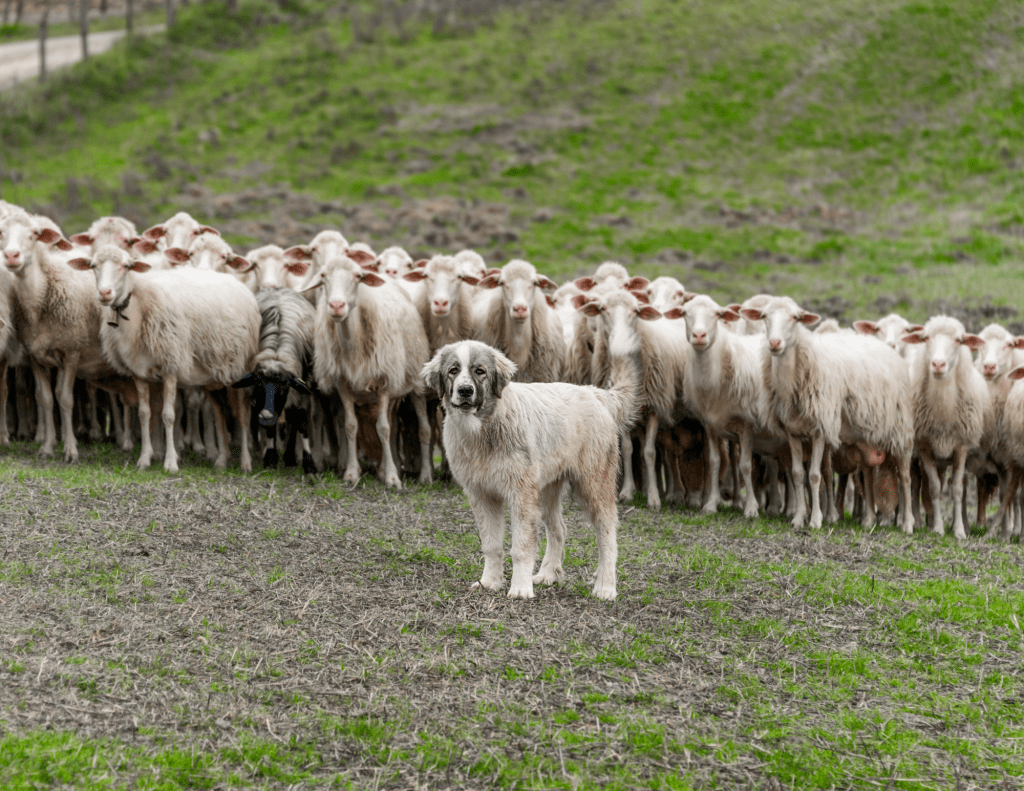
Livestock guarding breeds as well as “Castle guarding” breeds like Mastiffs of many types, are not suitable as Service Dogs. I have written a longer post regarding all of the reasons why I do not think the guarding breeds should be chosen, which you can read HERE>
4. What kind of leader can your future Service Dog expect of you?
Consider your general personality and how your dog will perceive you.
- Are you a strong leader that can handle a breed that may occasionally challenge your authority, but that will power through physical and mental challenges to mitigate your disability?
- Are you likely to lose focus when experiencing an emotional or psychiatric episode and need a dog that will not take advantage of your perceived weakness in leadership at those times?
- Are you dedicated to maintaining a dog’s discipline in training or do you need a dog that will not take advantage of you, even if you are somewhat of a marshmallow regarding upholding high standards?
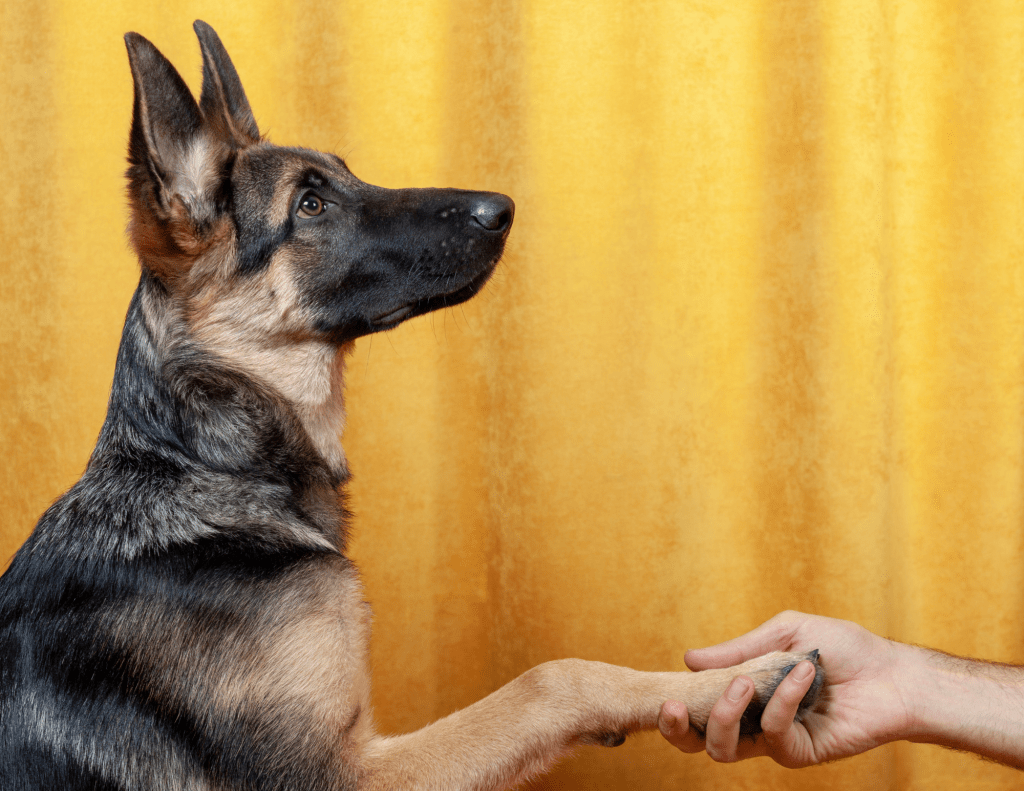
Breeds like the German Shepherd Dog or Border Collie take leadership very seriously. They were designed to work alongside their human while performing an oft dangerous job. A mama cow with a calf or a rank ram are very dangerous animals. If the shepherd tells the dog to “go left” when the proper command was to “go right,” these dogs may choose to intelligently disobey. They may also question whether it is safe to work for their shepherd who they may perceive as unworthy. When a dog quits working under a leader he feels has failed him, the handler can see it as belligerence.
It can be a very daunting task to assume the leadership role of dogs that take their work incredibly serious. A herding dog can easily transfer his exceedingly high standards required to manage a flock of sheep to the game of fetching a stick. If you are not cut out for the task of overseeing and supporting a dog that demands top-notch leadership, you might be better partnering with a lower-maintenance breed.
This article has only scratched the surface about potential Service Dog selection criteria. I have presented a very high level view of a very deep topic. After twenty years of working with Service Dogs and their people, I have learned a few things.
I have learned that, once we humans make up our minds about somethings, it’s nearly impossible for someone else to change it. Even if that person has years of experience in a realm that is brand new to the other. I have made suggestions about breed, or individual dog selection, dozens of times over the years. Very seldom, do I have any influence on the person’s final decision. I hope you are reading this article before your heart has been captured by a dog that you might love, but that may make your life as a Service Dog handler more challenging than it should be.
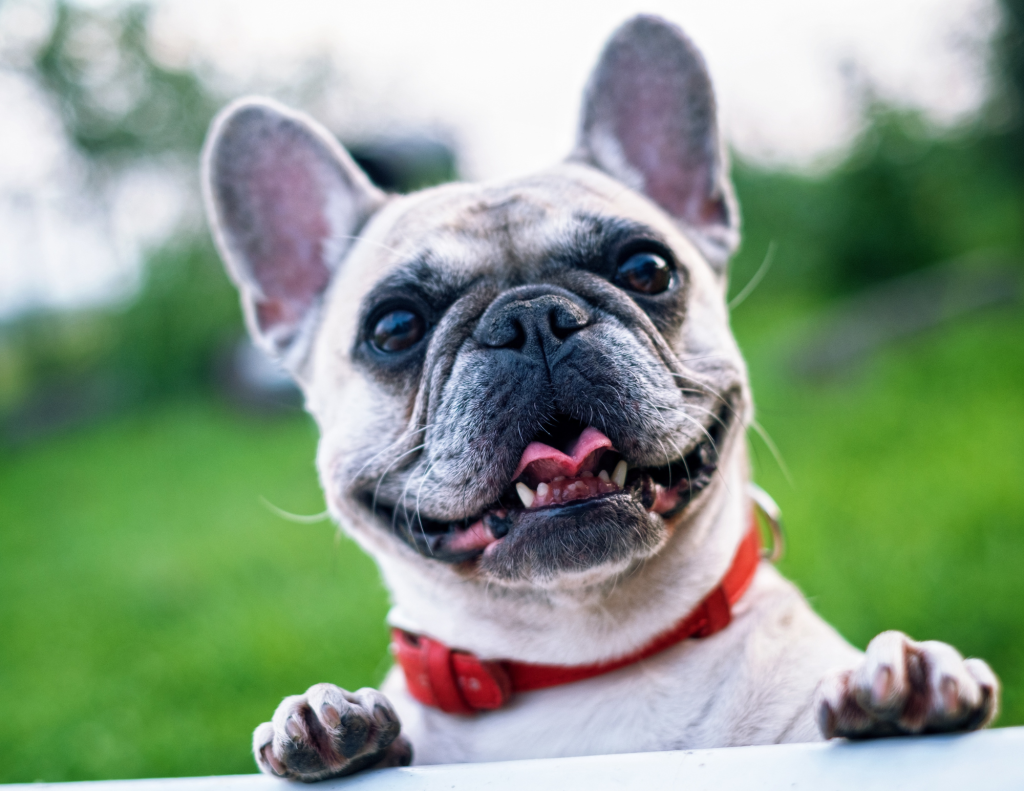
On the other hand, these situations always teach me something. As an example; I argued against a client (we’ll call her Theresa) securing a French Bulldog as her child’s future service dog. I methodically described my reasons and answered all of her questions to the best of my ability as to why I held my opinion. This discussion was held in a couple of phone conversations and a handful of emails across many months. When Theresa finally contacted me to enroll in the course, of course she informed me she had purchased a French bulldog. They acquired Boogie because their first Frenchie, Bob, was such a great dog. Interestingly, when they arrived for class, I quickly grew to respect and accept Boogie. Over the course of the program, my mind had changed. Boogie was quite capable of meeting the standards required to serve as a high functioning Service Dog. I did meet Bob on the last weekend of the course. My mind hasn’t changed as it relates to “in general” why I don’t recommend certain breeds of dog. As I listened to Bob’s gremlin like vocalizations over a couple of days, I was happy that Boogie didn’t present with the same outrageous communication style! Let’s just say; cute, hilarious, endearing, crazy are not words that I recommend be placed at the top of your list of qualities you seek in your future Service Dog.
 COMMITTED CANINE
Leave a comment